NAS JACKSONVILLE, Fla., Jan. 30 /PRNewswire-FirstCall/ -- The U.S. Navy
retired the last Lockheed Martin (NYSE: LMT) S-3 Viking from fleet service in
ceremonies here this morning, closing out the aircraft's distinguished 35-year
Naval career.
Development of the S-3 began in August 1969, and first flight occurred on
January 21, 1972. Sea Control Squadron 41 (VS-41), the S-3 training unit known
as the Shamrocks and the first operational S-3 unit, received its first
aircraft in February 1974. A total of 187 S-3s were built (eight test and 179
operational aircraft) between 1971 and 1978. Over its career, the Viking
served with 18 Navy squadrons and accumulated approximately 1.7 million flight
hours.
"The S-3 Viking was known as the 'Swiss Army Knife of Naval Aviation' and
served the U.S. Navy well in a wide variety of roles over the course of its
operational service life," said Ray Burick, Lockheed Martin vice president of
P-3/S-3 programs. "The Viking has played a critical role in carrier-based
anti-submarine and anti-surface warfare, as well as overland operations,
refueling, targeting, and electronic surveillance. And of course Lockheed
Martin is proud of the role it will continue to play in support of these
critical Navy carrier-based missions, as many of these missions will
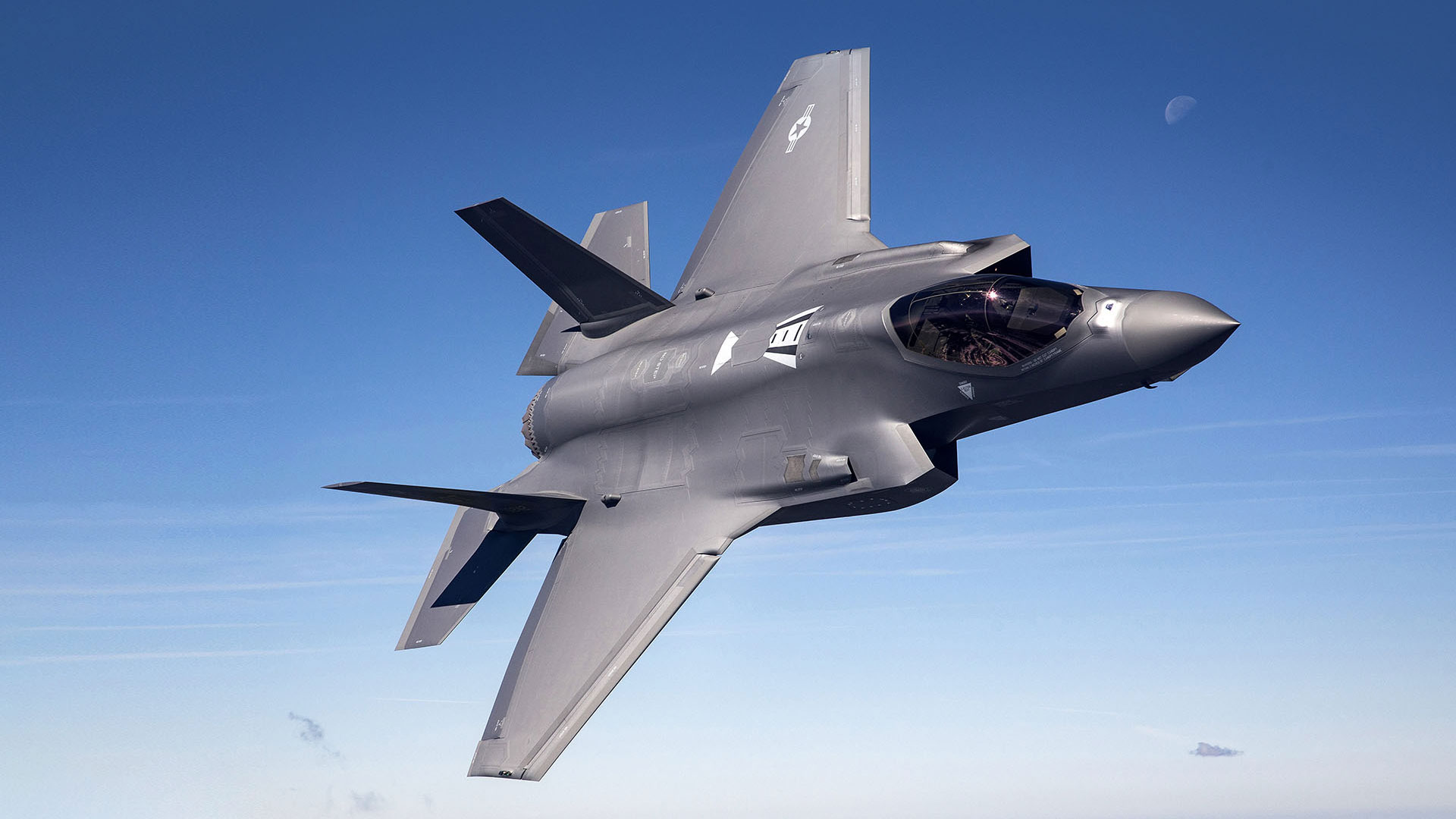
eventually be carried out by the F-35C Lightning II."
The first S-3 was built at the then-Lockheed Aircraft Co. plant in
Burbank, Calif., and was trucked to the company's facility in Palmdale,
Calif., for first flight. Company pilots John Christiansen and Lyle Schaefer
were at the controls, kicking off a 26-month test program. Among its notable
firsts, the S-3 was the first antisubmarine warfare (ASW) platform to have a
computerized acoustic system.
Sea Control Squadron 29 (VS-29), known as the Dragonfires, made the first
S-3 deployment aboard the USS John F. Kennedy (CVN-67) in July 1975. The S-3
fleet surpassed 100,000 flight hours less than two years after that first
deployment.
Several variants of the S-3 carried out a range of missions for the U.S.
Navy. Seven aircraft were modified to US-3A Carrier Onboard Delivery aircraft,
capable of carrying 4,250 lbs. of cargo. The ES-3A Shadow was designed for
fleet electronic surveillance, replacing the EA-3B. Sixteen aircraft were
modified to ES-3A configuration, and the first mission capable Shadow flew in
May 1991. Development of a KS-3A tanker variant began in 1979; although the
KS-3A was never produced, it did prove the concept of "buddy tanking" (aerial
refueling using a wing-mounted pod), which most S-3s later performed. At the
height of combat operations during Operation Iraqi Freedom, S-3 crews
transferred nearly eight million pounds of fuel to Coalition aircraft.
The significantly improved S-3B was developed in the early 1980s to better
detect quiet Soviet submarines, identify targets and carry standoff weapons.
The S-3B flew for the first time in prototype form in September 1984. During
Operation Iraqi Freedom, an S-3B from VS-38, the World Famous Red Griffins,
carried out the first S-3 attack mission, disabling Saddam Hussein's
ocean-going yacht with a laser-guided Maverick air-to-surface missile. In
2003, an S-3B from VS-35 became the first aircraft ever to have the Navy One
call sign when it carried former President George W. Bush to the USS Abraham
Lincoln (CVN-72).
Under the S-3 Integrated Maintenance Program (IMP), Lockheed Martin and
Navy personnel worked side-by-side to perform scheduled depot maintenance and
repairs on the S-3s to return the Vikings rapidly to the operational fleet.
The program began in 2001, primarily as a means of reducing the backlog at
Naval Aviation depots. IMP increased S-3 aircraft operational availability by
53 percent and reduced maintenance tasking by 47 percent over the depot-level
maintenance plan. IMP also resulted in significantly reduced costs to the
Navy. A total of 149 aircraft were processed through the IMP inspections, and
nearly all of the aircraft were redelivered to the Navy on or ahead of
schedule. The program concluded in 2007, as the Viking fleet was being drawn
down.
"The S-3 Viking will long be remembered for its mission capability, its
flexibility and its reliability," said Burick. "The aircraft has served the
U.S. Navy admirably for more than three decades. We salute all who have flown
and supported the Viking."
The NASA Glenn Research Center near Cleveland, Ohio, currently has four
S-3B Vikings, performing aircraft icing research missions. It is likely that
four S-3Bs will remain in Navy service, although in a support role providing
range surveillance at the Naval Air Warfare Center Weapons Division at Point
Mugu, Calif.
Headquartered in Bethesda, Md., Lockheed Martin is a global security
company that employs about 146,000 people worldwide and is principally engaged
in the research, design, development, manufacture, integration and sustainment
of advanced technology systems, products and services. The corporation
reported 2008 sales of $42.7 billion.
    For additional information, visit our website:
    http://www.lockheedmartin.com/aeronautics
SOURCE  Lockheed Martin Aeronautics Company

    -0-                           01/30/2009
    /CONTACT:  Rob Gross, +1-864-299-7435, rob.gross@lmco.com, or Jeff Rhodes,
+1-770-494-3895, jeffrey.p.rhodes@lmco.com, both of Lockheed Martin
Aeronautics Company/
    /Web Site:  http://www.lockheedmartin.com /
    (LMT)

CO:  Lockheed Martin Aeronautics Company

ST:  Florida, Texas, California, Ohio, Maryland
IN:  ARO AIR MAR
SU:

PR
-- DA65123 --
2223 01/30/2009 16:57 EST http://www.prnewswire.com